A Singapore Government Agency Website

Understanding Family Stress
Learn tips on how to handle conflict at home.

Understanding Family Stress
30 Oct 2026 ⋅ 5-min read
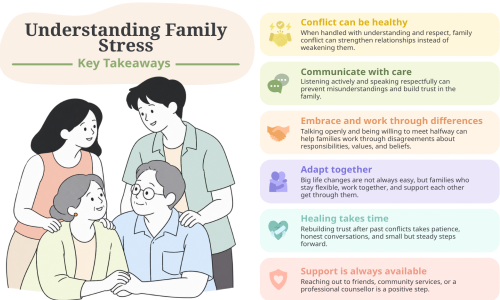
Family members don't always see things the same way, and that's okay. Disagreements are a normal part of family life, but constant fighting can strain relationships and leave everyone feeling stressed. When conflicts are handled well, they can actually bring your family closer and help everyone understand each other better. But if the same issues keep coming up without being sorted out, family members may start to feel hurt or distant.
Click on the common causes of family conflicts and learn tips on how to handle them.
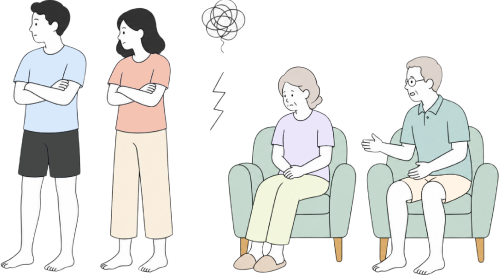
Good communication allows family members to share their concerns, needs, and boundaries. This helps build trust and respect. On the other hand, yelling, blaming, or making threats can lead to more arguments and misunderstandings. Good communication is more than just words - your tone of voice and facial expressions matter too.
Here are some ways to improve communication in your family:
- Ask open-ended questions that encourage sharing beyond "yes" or "no" answers. These can be simple questions like "What was the best part of your day?" or deeper ones like "How can our family take better care of each other?". These questions help family members share their thoughts without fear of being judged.
- Listen actively by giving your full attention when someone is speaking, and letting them know what you understood from what they said.
- Make time to enjoy activities together as a family. Quality time matters more than quantity - even simple moments such as having a meal together, going for a walk, or even planning a weekly family game night with board games.
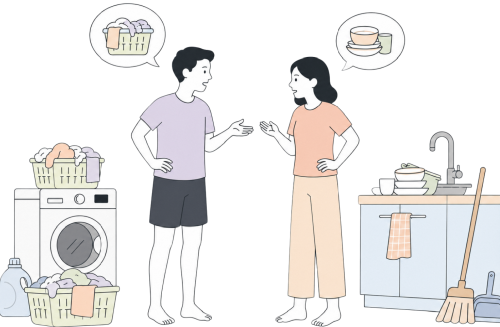
Families may fight when they have different ideas about who should do what. For example, siblings may disagree about who should be the main caregiver for elderly parents. Conflicts can also happen over daily chores. One family member may think others will handle tasks like cooking or cleaning, while others may feel they are already doing enough. Not resolving these differences can lead to anger and uncomfortable feelings. Although talking about roles and duties can be difficult, avoiding these conversations will only make things worse.
You may try the following:
- Find a middle ground or shared goal that works for everyone. Listen to what your family member has to say and be mindful of what they can and cannot do, before working together on a solution.
- Before the conversation, take time to think about what you want to say. When you talk, try not to assume things and be mindful of topics that may be upsetting. Keep the focus on finding a solution together, rather than arguing or blaming each other.
- Set aside time regularly to check in with each other and see if the current arrangements are still working for everyone.
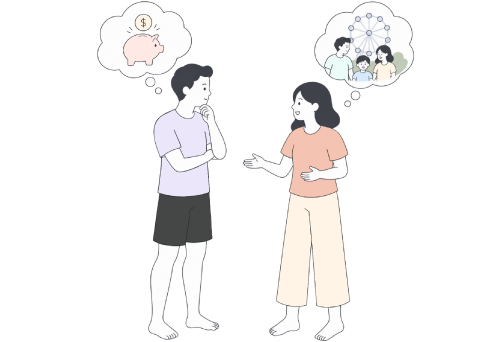
Shared goals and values can bring your family closer together. But it is normal for family members to see things differently. For example, one person may feel that saving money for the future is most important, while another may prefer spending on everyday needs and experiences.
Conflicts often arise not from having different views, but from feeling unheard or disrespected. Talking openly with each other is key to working through these differences.
Here are some ways to handle different values and beliefs in your family:
- Recognise that family members may have different priorities and needs. Instead of focusing on who is right, try to understand each other and find a balance. For example, if one person wants to save money while another wants family fun activities, you could agree on a budget that makes room for both.
- Set respectful limits when values are different. For example, one parent wants the child to follow a certain religion while the other parent wants the child to choose for themselves. It's important to talk openly and agree on how to handle the situation while respecting both viewpoints.
- Have ongoing conversations. The goal is not to change each other's minds, but to remain respectful even when you believe in different things.
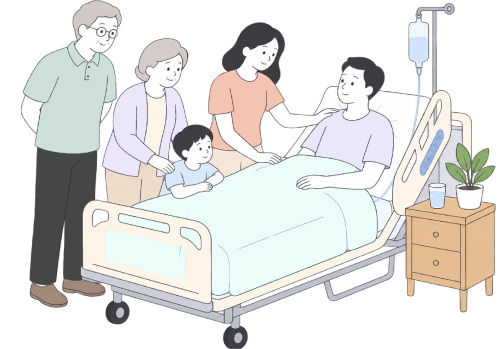
Every family goes through big life changes, like job changes, retirement, health problems, a new baby, losing someone a loved one, or moving homes. These changes, whether good or bad, can bring worry and uncertainty for everyone. When family members support each other, it brings the family closer together. If no one talks about how a big change affects everyone, misunderstandings can grow.
Here are ways to help families deal with life changes:
- Stay flexible and supportive when roles change. For example, when one spouse gets a new job with longer hours, the other may need to step up to do more of the housework. Being patient and willing to change helps make sure no one feels too stressed and that everyone feels supported.
- Know when to ask for help. Some changes, like sudden illness or losing a job, can put unexpected stress on families. If conflicts continue despite your best efforts to resolve them, consider getting support. This could mean asking relatives for help, using community services, or talking to a professional counsellor. Getting help outside the family is not a weakness, it shows that you are brave in taking the first step to make things better for you and your family.
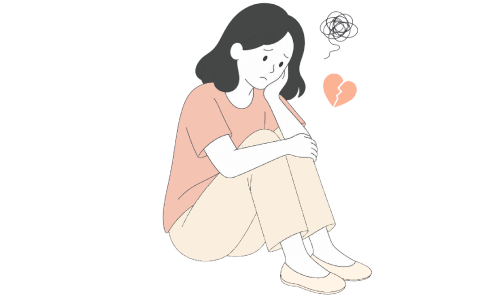
Past conflicts often come back during stressful times, especially if they are not sorted out. For example, feelings about parents favouring one child over the other may return when siblings disagree about caring for an ageing parent. Working through old conflicts requires self-awareness, honest conversations and willingness to change.
- Try to understand how past events affected your family member/s and how they still hurt today. If you hurt them before, apologise and ask how you can fix the relationship, even if you didn't mean to hurt them.
- Remember that you cannot control how others act. Even if you try to communicate well, problems may still remain. This might mean that you need to change what you expect from others.
- Understand that healing from past hurts takes time. Forgiveness may not happen immediately, but small steps towards understanding, rebuilding trust and improving the relationship can make a difference.
Family is a major part of our lives, and conflicts can be upsetting for everyone. Getting help from a trained professional can help you and your family work through problems. Counsellors can help you better understand how your family works, give you different perspectives and teach you helpful ways to improve family relationships.
Images in this article are created with AI.