A Singapore Government Agency Website

Families from Different Backgrounds
Building strong bonds in different families.

Families from Different Backgrounds
30 Oct 2026 ⋅ 3-min read
Families today come in many forms. Some are traditional two-parent families with their children. Others are blended families when parents remarry. Some families have parents from different cultures, while others live across countries. Each type has its own strengths and challenges. Despite these differences, all families share a common goal: to create a loving and stable environment where everyone feels supported and can thrive.
Let us take a closer look at some common family types and how they can strengthen their bonds in everyday life.
Blended families: Bringing two families together
Some people may feel that stepfamilies are not as close as biological families. This is not always fair, and it can be hard for stepfamilies to deal with.
Bringing two families together takes time and effort. Children may feel jealous when they have to share a parent or their home with new step-siblings. They may also feel torn between their love for their biological parent and their feelings for their step-parent. Step-parents may find it hard to connect with their stepchildren at first, especially in the early days.
Parents can also feel pulled in many directions. They juggle different demands. They want to strengthen their marriage, care for their own children, and build relationships with their stepchildren, all at once. There are also practical challenges such as co-parenting with ex-spouses and managing different household rules.
Building a happy blended family takes time, but it is possible with patience and communication.
- B – Build relationships gradually: Be consistent and patient as you build bonds and trust with your stepchildren. Don’t rush. Show genuine interest in their lives and let them set the pace in getting closer.
- R - Reach out and listen: Have regular and honest check-ins with your spouse and children, creating space to discuss challenges. Listen to each other without judging, which will help to ease tensions early.
- I - Introduce clear and consistent rules together: Discuss boundaries and discipline privately as a couple first, then present a united front to the children to ensure fairness and avoid confusion.
- D - Develop new family traditions: Simple activities like weekend breakfasts or family outings can help build a shared identity.
- G - Give each child individual time: While building a new family identity is important, continue to spend one-to-one time with each child. This can help children feel more secure and valued.
- E – Engage in cooperative co-parenting: Keep communication with ex-spouses respectful and focused on the children. Try to have consistent routines across households so children feel safe and supported.
Cross-cultural families: Bridging different worlds
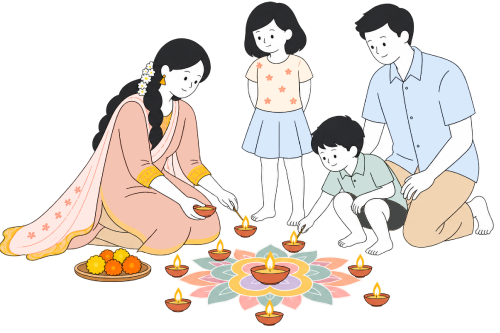
Cross-cultural families, where spouses come from different cultural, ethnic, or religious backgrounds, are becoming more common. These families enrich their children's lives through exposure to different languages and worldviews but may also face challenges as different traditions, values, and expectations come together under one roof.
Common hurdles include different communication styles, differing beliefs about raising children, and managing expectations from extended families. Children may also struggle with questions on who they are as they grow up between two cultures.
Blending cultures successfully requires open minds and hearts from everyone involved.
- Talk openly and respectfully: Discuss cultural differences and what they mean to each of you. If stereotypes or misunderstandings arise, address them with curiosity and care.
- Find ways to compromise: Look for shared values that go beyond cultural differences.
- Include children in both cultures: Make learning about each parent's culture fun. Teach both languages, share family stories, and celebrate festivals together. This helps children feel proud of who they are.
- Present a united front to extended family: Discuss sensitive issues and boundaries as a couple first, then communicate kindly and consistently with relatives.
Transnational families: Staying connected across borders
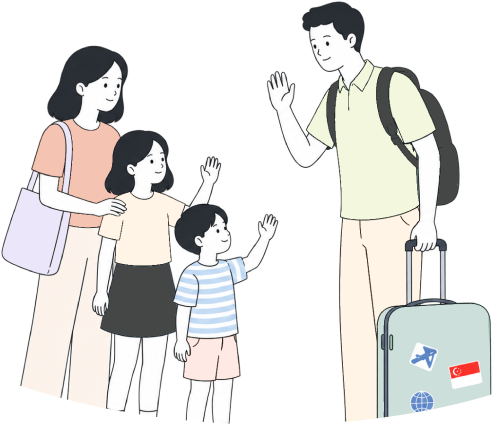
With globalisation, families are living across different countries or have family members of different nationalities. These families face emotional and practical challenges that local families may not experience. For instance, a foreign spouse settling in Singapore may struggle to adapt to new customs, food, public systems, and community networks. These feelings can make it difficult for foreign spouses to feel confident or fully connected. Local partners may feel overwhelmed by responsibilities such as managing paperwork or practical arrangements.
Whether separated by distance or adjusting to life in a new country, family bonds can stay strong with care and effort.
- Stay informed and seek help early: Find out about visas, housing, and legal requirements before issues arise.
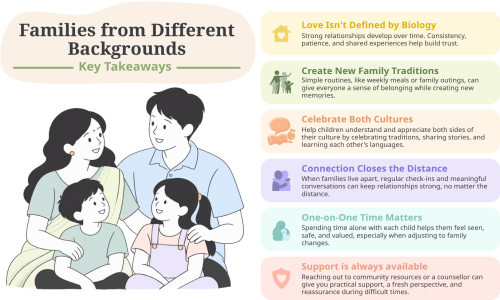
- Celebrate both cultures: Embrace each other's culture by celebrating festivals from both cultures, cooking each other's food, or teaching your kids to speak phrases from both parents' languages. Blending traditions helps children form a strong sense of who they are and shows foreign spouses that their culture is valued.
- Stay connected across distance: If you are living apart from loved ones, schedule regular check-ins to stay emotionally connected. Short daily calls can be helpful. When reunited, take time to reconnect in meaningful ways.
- Build a support network: Connect with others who share similar experiences through community events, support groups, or online forums. Programmes like the Transnational Family Support Programme can help foreign spouses and Singaporean partners build community ties, gain new insights, and encourage one another.
- Look after your emotional well-being: Building a life across different countries or cultures can come with unique challenges. Remember, you do not have to manage these challenges alone. Share your worries with each other, support each other, and celebrate milestones together.
Every family faces challenges along the way. When things feel overwhelming, seeking counselling support can be an important part of looking after your family's well-being. These challenges do not signal failure, they are opportunities to learn new skills and strengthen relationships. What makes a family thrive is not its structure, but how much family members care for one another.