A Singapore Government Agency Website

Caring for Elderly Parents
Looking after your parents as they age

Caring for Elderly Parents
30 Oct 2026 ⋅ 5-min read
Ageing is a natural part of life. We hope that our parents age well. While ageing can bring families closer and provide valuable life experience, it can also bring new challenges around healthcare, caregiving, and family relationships.
Adult children naturally want the best for their parents, but families may not always agree on what "best" looks like. These differences can lead to arguments and affect the parents’ well-being. When disagreements happen often, ageing parents may withdraw, feel helpless or become lonely. Loneliness can harm mental health, and may lead to depression and memory problems.
Understanding the common challenges that families with ageing parents face is a good first step to supporting them better. These range from day-to-day demands of caregiving to changes in family relationships.
Common challenges
- Caring for Ageing Parents
- Caregiver Burnout
- Understanding Different Views Between Generations
- Changing Family Structures
- Changes in Family Roles
- Contributions of Ageing Parents
Caring for Ageing Parents

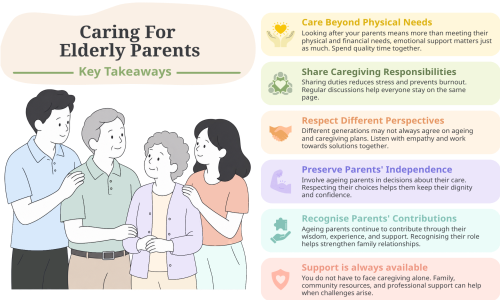
Caring for ageing parents goes beyond taking care of their financial or medical needs. Emotional support is just as important. Many elderly people in Singapore still report feeling lonely, even when living with their children.
This reminds us that being physically present is not always enough - families need to make a real effort to stay connected.
What adult children can do to build connections with ageing parents:
- Have regular meals together with parents.
- Include parents in family discussions and decision-making.
- Be open to conversations about ageing and their concerns.
- Plan for the future through early and respectful conversations about care needs.
- Ask parents about their wishes and show that you value their opinions.
- Make time to listen to your parents' stories and life experiences.
Caregiver Burnout

Caring for ageing parents can be deeply meaningful. But it can also become overwhelming when responsibilities are not shared fairly or when family members disagree on how to provide care. Different views on the ageing parent's needs and who makes decisions may lead to frustration and tension. Frequent arguments can leave caregivers feeling exhausted and alone.
How to manage caregiving stress:
- Hold regular family meetings to discuss who does what as things change.
- Recognise that everyone has their limits. Be open to sharing the load, for example, by taking turns to care for your parents.
- Talk openly with each other and try to work through any conflicts in a calm and helpful way.
- Look out for signs of burnout, such as feeling constantly irritable, tired, or falling sick often.
- Seek extra help when needed. Reaching out to trusted family members, friends, or even professionals can provide practical and emotional support.
- Think about each family member's work schedules, financial situation, and caregiving skills when sharing responsibilities.
- Take turns with caregiving duties so that one person does not end up doing everything.
Understanding Different Views Between Generations
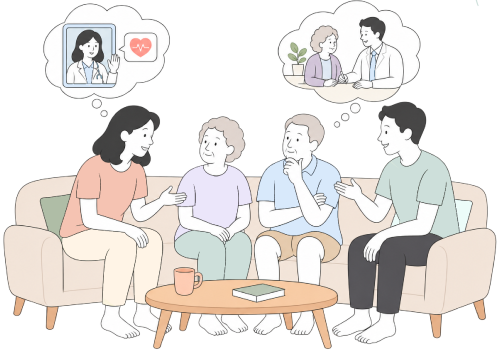
Different generations may have different ideas about ageing, independence, and family responsibilities. Parents who grew up in different times may have different views on receiving help, living arrangements, or medical care compared to their adult children.
What adult children can do to relate better with ageing parents:
- Understand that different views on ageing are normal.
- Talk about family values and expectations openly.
- Find a middle ground that respects traditional values while meeting present-day needs.
- Be patient when explaining new technologies or healthcare methods.
- Respect parents' life experiences while gently sharing new ideas.
Changing Family Structures
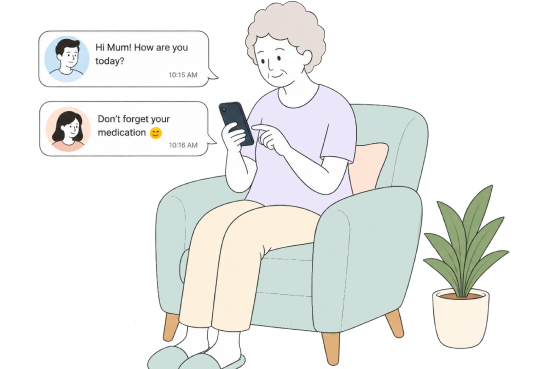
In the past, larger extended families often shared the responsibilities of caring for ageing parents. Today, families are becoming smaller, and more adult children live apart from their parents. Although families remain the main source of care and support, having fewer family members means there are fewer people to share caregiving responsibilities, which can place greater pressure on each person. Ageing parents themselves may feel this through less day-to-day support or fewer chances to socialise regularly.
What adult children in smaller households can do to support ageing parents:
- Use technology to stay connected (for example, text messaging and video chats).
- Use social media to help grandparents stay involved in grandchildren's lives.
- Encourage parents to maintain friendships and neighbourhood connections
- Support parents in joining volunteer groups or community activities.
Remember that family support works best when it goes hand in hand with friendships and community ties.
Changes in family roles
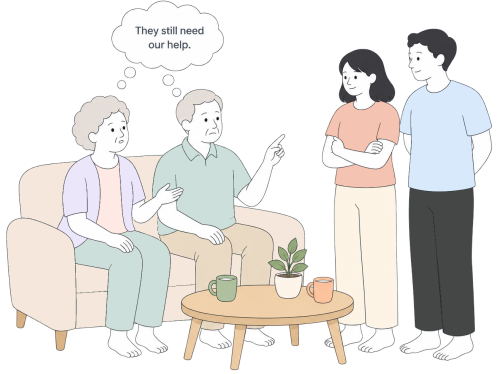
As families grow older, parents may find it difficult to see their children as independent adults. At the same time, some adult children may still be affected by earlier family experiences, which shape how they interact with or relate to their parents. This may create emotional distance or tension.
Challenges can also arise in close-knitted families. Ageing parents may feel a loss of independence when well-intentioned help feels controlling, hurting their self-esteem and sense of freedom.
What adult children can do:
- Have honest and respectful conversations about how relationships are changing.
- Ask parents how they wish to be supported.
- Offer help in ways that let your parent stay independent and feel respected.
- Gently bring up any old hurts that have not yet been sorted out.
- Create a care plan that matches everyone's comfort level.
- Encourage parents to remain involved in decisions they can make.
- Adjust responsibilities gradually, rather than making sudden changes.
Contributions of Ageing Parents
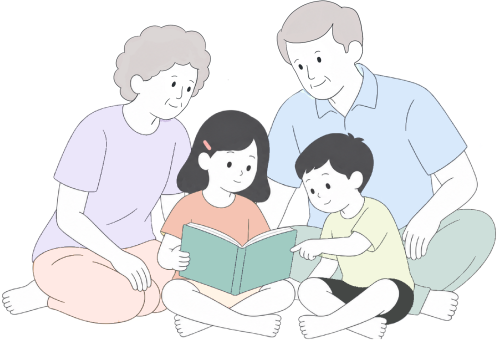
Ageing is not just about receiving care. Ageing Older parents continue to help their families and communities through their knowledge, wisdom, and emotional support. Many also provide practical help or financial support to younger generations.
When families value what every generation brings, they grow stronger and more connected — and everyone's well-being gets better.
If things ever feel like too much to handle, you do not have to face it alone. Counselling can help your family work through difficulties and grow stronger together.
Financial and legal planning can also reduce uncertainty for the whole family. Explore these financial and legal resources for guidance on care-related support, retirement planning, Lasting Powers of Attorney, and on other practical matters.
Moving Forward Together
When families manage ageing with understanding, willingness to change, and respect for one another, they can get through challenges while keeping relationships strong and loving.
The goal is not to stop all conflicts, but to handle them in ways that protect relationships and respect everyone's dignity. With patience, open communication, and the right support, families can grow stronger together through every stage of ageing.
Images in this article are created with AI.