A Singapore Government Agency Website

Caring for Family Members
Work together to care for loved ones.

Caring for Family Members
30 Oct 2026 ⋅ 5-min read
Caring for a loved one can bring a family closer. But it can also create stress and conflict. As responsibilities shift and routines change, family members may respond in different ways. Understanding what is behind these reactions can help families talk with more care and stay connected during difficult times.
Have you noticed how some families pull together during caregiving, while others struggle over who should do what? Often, the difference is not how much people care. It is how they understand the stress, fears and changes that caregiving can bring.
Caregiving affects the whole family
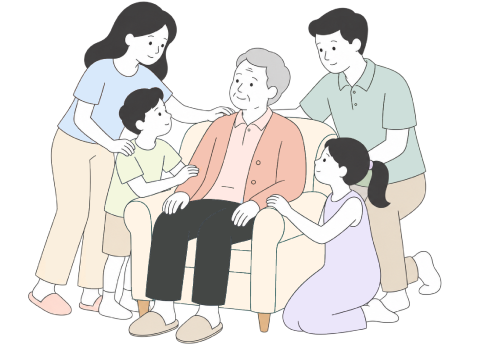
Caregiving often begins when a family member develops a medical condition, becomes weak with age, has a disability, faces mental health or memory challenges, or simply needs more help with daily life.
Caregiving can include many tasks, such as bringing a family member to appointments, managing medication or money matters, helping around the house, or providing personal care. It may also involve giving emotional support, speaking up for the person, supervising safety, and helping with decisions. A caregiver may be a spouse, parent, adult child, sibling, or another relative.
Sometimes caregiving starts suddenly after an accident or when there is a new diagnosis. In other cases, care needs grow over time. While caregiving can be meaningful, it often brings additional responsibilities and fewer opportunities for rest. It is common to feel both fulfilment and tiredness at the same time.
As care needs change, the family has to adapt. During these adjustments, differences in coping styles can become a source of tension.
Family members may cope differently
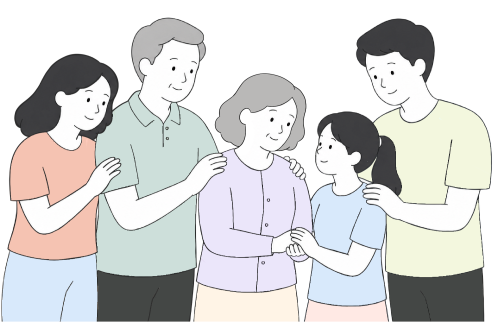
When a loved one needs more care, everyone in the family is affected, but each person may cope in a dfferent way.
Some people cope by gathering information, talking through options, and focusing on practical tasks. Taking action helps them feel more settled. Others may need time to take in what is happening. They may avoid conversations or make the situation sound less serious than it is.
Family members may also have different priorities. One person may focus on safety, while another may place greater importance on comfort or quality of life.
These differences are easy to misunderstand. A worried family member may be seen as controlling. A quieter family member may be seen as uncaring, even when they are trying to cope in their own way.
 Try this
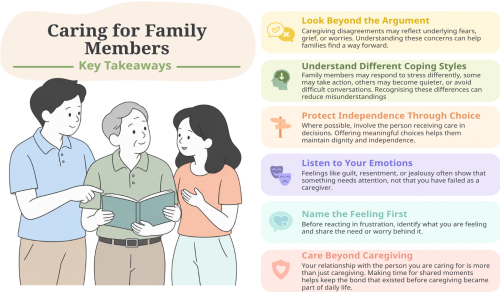
When there are disagreements, try to move away from asking, "Who is right?" and instead ask, "What might each of us be worried about?"
For example:
- "I keep reminding you because I am worried something may happen."
- "I avoid discussing treatment because I am afraid I will not be able to cope."
- "I want to continue doing this myself because I am scared of losing my independence."
Recognising the concern behind a person’s position makes it easier to talk things through issue without saying bad things about one another.
The person receiving care is adjusting too
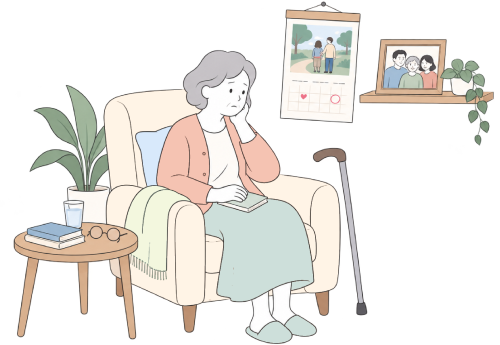
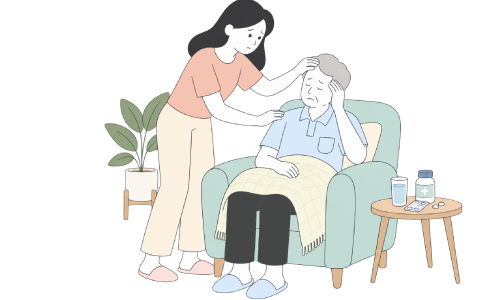
The person receiving care is also adjusting to many changes; regarding their health, abilities, independence, confidence, routines, or future plans. Accepting more help, or being treated differently by others can be difficult.
Change can be especially hard for children and adults with additional needs. A new diagnosis, a change in school or support arrangements, a loss of abilities, or needing more care can all be big adjustments.
They may feel frightened, frustrated, dependent, powerless, or worried about becoming a burden. These feelings may not come out directly. Instead, they may reject help, resist changes, withdraw, become irritable, or direct frustration at those closest to them.
Responding in ways that acknowledge these feelings can help.
Try this
Where possible, involve the person in decisions about their life and care. Offering meaningful choices can help them keep a sense of control and independence.
You might ask:
- "What would you like to continue doing for yourself?"
- "Which decisions would you like to be involved in?"
- "What kind of help is useful?"
- "Is there any help that feels uncomfortable?"
- "What is most important to you at this stage?"
Even for children or people who find it hard to make decisions, choices can be offered in ways that suit their abilities and understanding.
The goal is not to remove every risk, but to find a balance between safety and dignity.
You can have different feelings at the same time
Caregiving can affect nearly every part of your life, including health, work, relationships, finances, and daily routines.
When demands increase and support becomes limited, stress can build up. A caregiver can love the person they are caring for and still feel tired, frustrated, resentful, trapped, jealous, guilty, or sad.
These feelings do not make someone a bad caregiver. In many cases, they are a sign that something important needs attention.

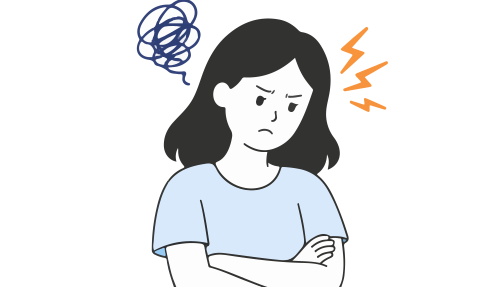


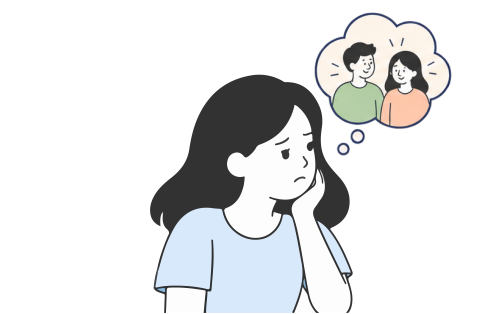
When these emotions go unrecognised, they may appear as criticism, sarcasm, withdrawal, irritability, or arguments over small things.
A caregiver who finds it difficult to say, "I am tired and afraid that I cannot continue like this," may instead say, "You are so difficult and ungrateful."
Similarly, a person receiving care who cannot express "I am scared of losing control of my life," may respond with, "Stop interfering. I do not need you."
Try this
When tension rises, pause before reacting and ask yourself:
- "What am I feeling beneath my anger?"
- "What am I worried about?"
- "What do I need right now?"
- "How can I express this without appearing as attacking the other person?"
For example, instead of saying, "You always don't cooperate," try, "I feel worried and tired because we keep having the same disagreement about medication. Can we talk about what makes this difficult, and whether another way might help?"
While this may not make the disagreement go away immediately, it may help both sides talk things through with less tension, and more understanding.
How family counselling can help

Sometimes families get caught in the same conflicts even when they try their best. Family counselling offers a safe space for family members to speak, listen, and understand each other’s views.
Counselling may help families in these ways:
Disagreements about treatment or daily routines may have deeper emotional roots, such as fear, grief, or a sense of helplessness. Naming these feelings can help the family focus on what really metters.
Families can get caught in a cycle of worry, repeated reminders, resistance, criticism, and withdrawal. Counselling helps family members notice these patterns and try different ways of responding.
Maintain relationships beyond caregiving
When every conversation centres on appointments, medication, routines, or risks, family members may start to relate to each other only as caregiver and care recipient.
Making room for shared interests, humour, companionship, and everyday family activities can help preserve the relationship that existed before caregiving began. The person receiving care remains a parent, spouse, child, or sibling, not simply someone who needs help.
Conflict also does not necessarily mean a family is failing. Sometimes, it is a sign that important feelings or needs have not yet been fully understood or discussed.
Families may not be able to remove every challenge. Still, they can learn to notice unhelpful patterns, communicate with less blame, and protect the relationships that matter most.
Caregiving is demanding, and no family has to face it alone. Support is available, and family counselling can help families navigate these difficulties together.
Images in this article are created with AI.